
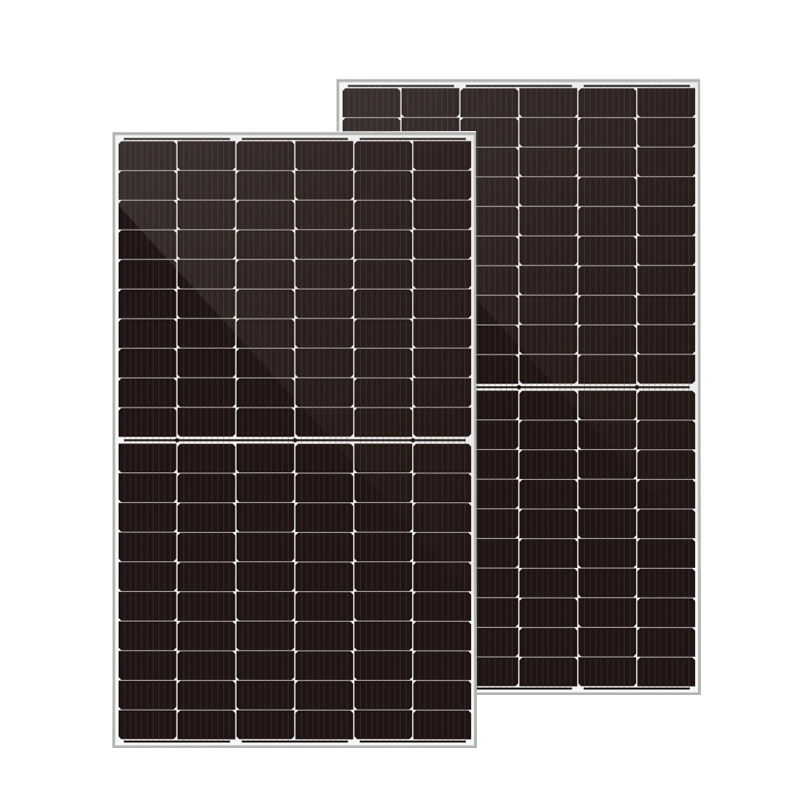
As the world steadily shifts toward sustainable energy solutions, solar power continues to emerge as one of the most promising and accessible alternatives to traditional fossil fuels. With frequent advancements in technology, solar cells—the fundamental components that convert sunlight into electrical energy—are becoming more efficient, affordable, and versatile. Understanding the various types of solar cells and their applications is crucial for harnessing the full potential of solar energy, especially in regions with limited access to reliable electricity.
**Introduction to Solar Cells**
Solar cells, also known as photovoltaic (PV) cells, are devices that convert sunlight directly into electricity through the photovoltaic effect. These cells are typically made from semiconductor materials, such as silicon, which absorb photons from sunlight and release electrons to generate an electric current. Over the years, multiple types of solar cells have been developed, each with unique properties, benefits, and ideal use cases.
**Primary Types of Solar Cells**
1. **Monocrystalline Solar Cells**
Monocrystalline solar cells are made from a single, continuous crystal structure, usually silicon. Recognizable by their uniform dark color and rounded edges, these cells are known for their high efficiency and longevity. Their high purity allows for greater electron mobility, which means they can convert more sunlight into electricity compared to other types. They are ideal for residential and commercial rooftop installations where space is limited but high energy output is desired.
2. **Polycrystalline Solar Cells**
Often identified by their speckled blue color, polycrystalline solar cells are fabricated from multiple silicon crystals melted together. This manufacturing process is simpler and less costly than monocrystalline cells, but it results in lower efficiency due to crystal boundaries that hinder electron flow. Despite their lower efficiency, they provide a cost-effective option for large-scale solar farms and installations where space is less constrained.
3. **Thin-Film Solar Cells**
Thin-film solar cells are created by depositing one or more thin layers of photovoltaic material onto a substrate such as glass, plastic, or metal. Materials can vary and include amorphous silicon, cadmium telluride (CdTe), and copper indium gallium selenide (CIGS). Thin-film cells are lightweight and flexible, allowing diverse applications including integration into building materials and portable solar chargers. They generally have lower efficiency but offer advantages in aesthetics and adaptability.
4. **Perovskite Solar Cells**
Relatively new in the solar market, perovskite solar cells are made using compounds that adopt a perovskite crystal structure. They have rapidly gained attention for their high efficiency rates and potentially low manufacturing costs. Researchers are still working on improving their stability and scaling up production, but these cells could revolutionize solar technology in the near future.
5. **Organic Photovoltaic Cells (OPVs)**
Organic solar cells utilize conductive organic polymers or small organic molecules to absorb light and generate electricity. Although OPVs have lower efficiencies relative to silicon-based cells, their advantages lie in ultra-lightweight, flexibility, and low production costs. They are suitable for niche applications such as wearable electronics and integrated solar fabrics.
**Meeting Global Energy Needs through Solar Power**
Millions of people worldwide still live without access to dependable electricity, especially in rural and underserved regions. Street lighting is essential not only for safety but also for extending productive hours, improving security, and supporting economic development. Unfortunately, many roads remain unlit due to the lack of electrical infrastructure.
Solar energy offers an effective and scalable solution. Solar-powered street lights, equipped with photovoltaic cells, batteries, and LED lamps, provide a sustainable, off-grid method for illuminating roads and public spaces independently of the central power grid. These systems harness sunlight during the day and store energy in batteries for nighttime use.
**Company Expertise in Solar Solutions**
A leading professional in advancing solar applications is a manufacturer and exporter specializing in solar power systems, energy storage, solar panels, lithium batteries, gelled batteries, and inverters. Their journey began with the production of street lighting poles and gradually expanded into the wider solar street light market. This development reflects a clear focus on addressing power scarcity and the need for reliable road lighting in underserved communities.
By supplying fully integrated solar street lighting systems, the company has supported efforts to bridge the energy access gap across various countries. Their products deliver practical benefits such as reduced carbon emissions, lower operational costs, and increased safety after dark.
Moreover, their expertise extends beyond lighting to energy storage solutions and power management devices. Advanced lithium and gelled batteries optimize energy retention and prolong the lifespan of solar installations. Inverters convert DC electricity generated by solar cells into AC electricity suitable for household and commercial use, enabling more extensive utilization of solar power.
**Looking Ahead: The Future of Solar Energy**
The ongoing evolution of solar cell technology promises to enhance the efficiency, affordability, and accessibility of solar energy systems worldwide. Innovations such as perovskite and organic photovoltaic cells have the potential to diversify application scenarios, including integration into everyday objects and building materials.
As the world confronts climate change and energy inequality, expanding the deployment of solar power becomes imperative. Companies with specialized expertise in solar power systems and energy storage will play a pivotal role in driving this transition.
Solar-powered street lighting stands as a shining example of how clean energy technology can change lives by providing safe, reliable illumination in communities that need it most. Expanding such initiatives globally can foster sustainable development, improve quality of life, and help achieve universal energy access.
**Conclusion**
Solar cells, in their many forms, are at the heart of the green energy revolution. Understanding the distinctions among monocrystalline, polycrystalline, thin-film, perovskite, and organic solar cells is essential for selecting the right technology for varied needs. With expanding solar applications, particularly in off-grid solutions like solar street lighting, renewable energy is rapidly becoming a cornerstone of modern infrastructure development. Through innovative manufacturing and commitment to energy access, companies dedicated to solar technology empower communities worldwide to step confidently into a sustainable future.